
Introduction to Classic Bread and Butter Pudding
When it comes to comfort food, few desserts evoke nostalgia quite like classic bread and butter pudding. This traditional British dish, with its layers of buttery bread soaked in a rich custard, has been a beloved staple in homes for generations. Whether you’re seeking a cozy dessert to end a meal or a sweet treat to share with friends, this pudding delivers warmth and satisfaction in every bite.

A Comforting Tradition
Bread and butter pudding is more than just a recipe; it’s a comforting tradition that brings back memories of family gatherings and cozy evenings. It’s a dish that allows you to make the most of leftover bread, transforming simple ingredients into an indulgent dessert. The combination of milk, cream, and eggs creates a luscious custard that seeps into the bread, resulting in a delightful custardy texture.
The Perfect Dessert for Any Occasion
This pudding is incredibly versatile, making it suitable for both casual dinners and special celebrations. It can be enjoyed warm straight out of the oven or chilled for a refreshing treat on a hot day. Plus, with the option to add raisins or a drizzle of cream, you can customize it to suit your taste. As you take your first bite, you’ll savor the rich flavors and comforting aroma that make this classic dessert a favorite.
In summary, classic bread and butter pudding is not just a dessert; it’s a heartfelt dish that brings people together. Its simplicity and deliciousness make it a perfect choice for anyone looking to indulge in a little bit of homemade comfort.
Key Ingredients
Bread (8 slices)
A crucial base for the pudding, you can use either white or brioche bread. The bread is buttered before layering, allowing it to soak up the custard beautifully while adding flavor and texture.
Butter (4 tablespoons)
Butter is essential for greasing the baking dish and for spreading on the bread. It adds richness and helps create a golden, crisp top layer.
Milk (2 cups)
Milk serves as the primary liquid in the custard, providing creaminess and moisture to the pudding. You can opt for full-fat milk for a richer taste.
Heavy Cream (1 cup)
The addition of heavy cream enhances the custard’s richness and smooth texture, making each bite indulgent.
Eggs (4)
Eggs are vital for binding the pudding together and creating a custard-like consistency when baked.
Sugar (1 cup)
Sugar sweetens the dish and balances the flavors. It also caramelizes slightly during baking, adding depth to the pudding.
Vanilla Extract (1 teaspoon)
This ingredient infuses the pudding with a warm, aromatic flavor that pairs perfectly with the other ingredients.
Ground Cinnamon (1/2 teaspoon)
Cinnamon adds a touch of spice and warmth, elevating the overall flavor profile of the pudding.
Salt (1/4 teaspoon)
A pinch of salt enhances the sweetness and balances the flavors in the dish.
Raisins (1/2 cup, optional)
Adding raisins contributes a chewy texture and natural sweetness, making the pudding even more delightful.
Why You’ll Love This Recipe
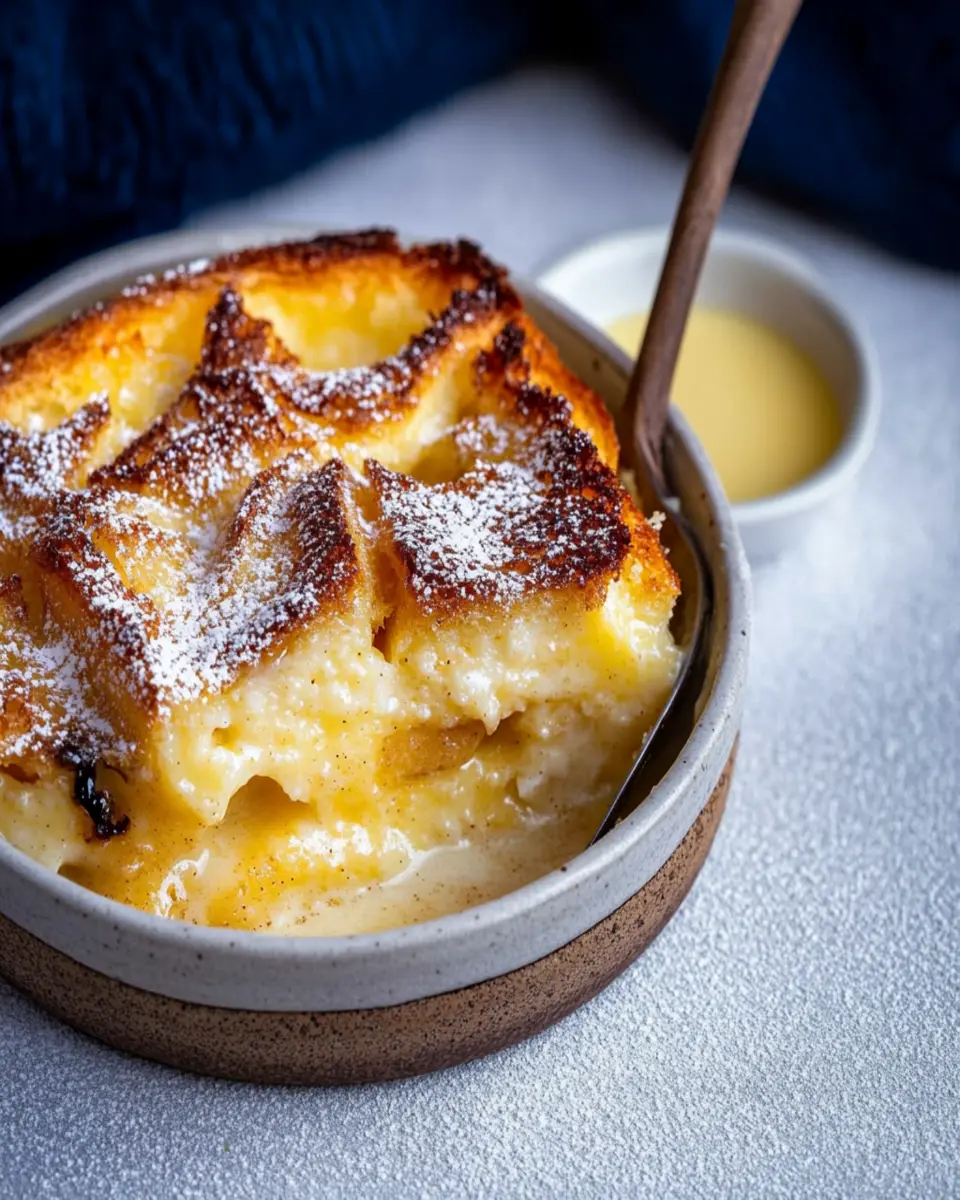
When it comes to classic desserts, few can match the charm of a classic bread and butter pudding. This beloved dish is not only a delicious treat but also a celebration of simplicity and comfort. Its warm, custardy texture combined with the rich taste of buttered bread makes it an irresistible option for dessert lovers.
A Nostalgic Delight
This recipe brings back cherished memories of family gatherings and cozy nights in. With its layers of buttery bread and hints of cinnamon, it evokes a sense of nostalgia that makes every bite feel like a warm hug. Plus, it’s a fantastic way to use up leftover bread, minimizing waste while maximizing flavor.
Easy to Make
One of the best things about classic bread and butter pudding is how simple it is to prepare. In just a few steps, you can create a delightful dessert that will impress your guests. With just 15 minutes of prep time and a little patience while it bakes, you can have a show-stopping dish that feels gourmet without the fuss.
Versatile and Customizable
You can adapt this pudding to suit your taste preferences by adding ingredients like chocolate chips, nuts, or seasonal fruits. Whether served warm with a drizzle of cream or chilled for a refreshing treat, this dessert offers versatility that makes it perfect for any occasion.
In short, the classic bread and butter pudding is a comforting dessert that captures the essence of home-cooked goodness, making it a must-try for every homemade-food lover.
Variations of Classic Bread and Butter Pudding
Exploring variations of classic bread and butter pudding allows you to personalize this beloved dessert while keeping its comforting essence intact. Whether you prefer a fruity twist or a chocolate indulgence, there are numerous ways to elevate this traditional dish.
Fruity Additions
One delightful variation is to incorporate fruits into the layers. Adding sliced bananas or fresh berries not only enhances the flavor but also adds a pop of color. For a more exotic twist, consider adding diced mango or poached pears, which complement the creamy custard perfectly.
Chocolate Lovers’ Dream
If you’re a fan of chocolate, why not indulge by adding chocolate chips or chunks into the pudding? This variation transforms the classic bread and butter pudding into a rich dessert that satisfies any chocolate craving. Simply sprinkle chocolate pieces between the layers of bread for a decadent experience.
Nutty Crunch
Another option is to add nuts for texture and flavor. Chopped almonds or walnuts can be mixed in with the bread layers, providing a delightful crunch that contrasts with the softness of the pudding. You can also sprinkle some on top before baking for an added nutty aroma.
Seasonal Flavors
Consider adapting your pudding to the seasons. In the fall, adding spices like nutmeg or pumpkin puree can give your classic bread and butter pudding a seasonal flair. During the holidays, a splash of eggnog in the custard mixture can create a festive dessert that’s perfect for gatherings.
These variations keep the spirit of classic bread and butter pudding alive while allowing you to experiment with flavors and textures, making it a versatile dessert for any occasion.
Cooking Tips and Notes
When preparing your classic bread and butter pudding, a few helpful tips can elevate your dish to the next level. The focus keyword here is to create a pudding that is both comforting and delicious, making it perfect for any occasion.
Choose the Right Bread
Using bread that is slightly stale can actually enhance your pudding. Stale bread absorbs the custard mixture better, ensuring each piece is soaked through and flavorful. Brioche adds a touch of luxury, but any white bread will work well.
Don’t Rush the Soaking
After pouring the custard over the layered bread, give it a few minutes to soak. Pressing down gently allows the custard to penetrate deeper, ensuring a moist and rich pudding. A good soak is essential for achieving that classic texture.
Baking Tips
To prevent the top from browning too quickly, you can cover your baking dish with aluminum foil for the first half of the baking time. This helps retain moisture, resulting in a beautifully set pudding. Once it’s nearly done, you can uncover it to let the top crisp up.
Serving Suggestions
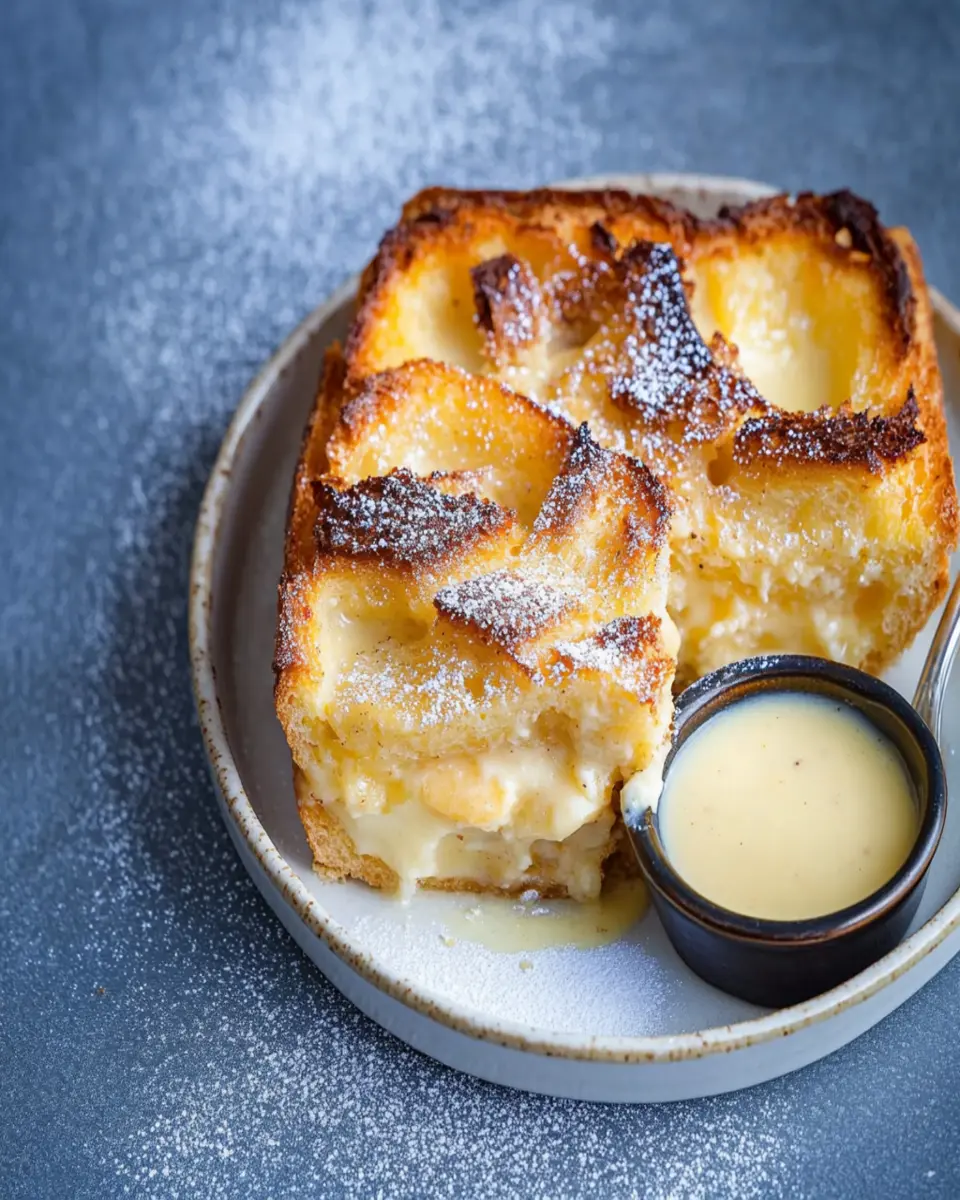
Serve your pudding warm with a drizzle of cream, custard, or even a scoop of vanilla ice cream for an extra indulgent treat. It can also be enjoyed cold, making it a versatile dessert option.
These cooking tips will help you master classic bread and butter pudding, ensuring it’s a delightful treat that everyone will love.
Serving Suggestions
Classic bread and butter pudding is a versatile dessert that can be served in various delightful ways, enhancing its comforting flavor and texture.
Warm and Creamy
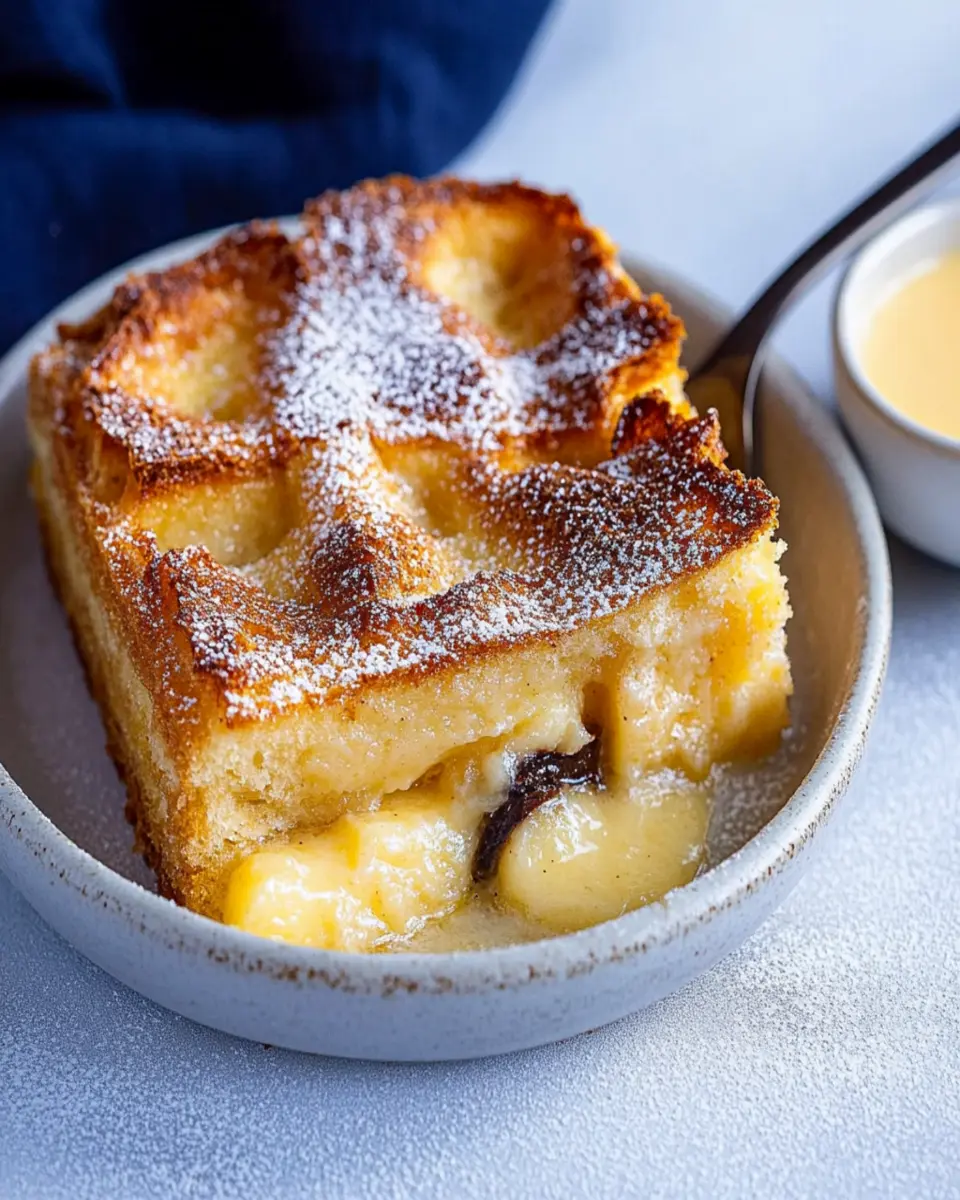
Serving the pudding warm is a classic choice, allowing you to enjoy its rich, custardy texture straight from the oven. A drizzle of heavy cream or warm custard over the top adds an extra layer of indulgence. This pairing not only complements the pudding but also elevates its comforting quality, making it a perfect end to any meal.
Chilled Dessert
For those who prefer a refreshing treat, consider serving the pudding chilled. After baking, let it cool completely and refrigerate it for a few hours. This method transforms the dessert into a decadent cold option, ideal for warmer days or as a light dessert after a hearty meal.
Fruit Garnishes
Elevate your serving by adding fresh fruits like berries or sliced bananas on top. This adds a pop of color and a fruity contrast to the rich pudding. You could also sprinkle some powdered sugar or add a few mint leaves for a decorative touch that enhances both presentation and flavor.
In summary, whether you choose to serve your classic bread and butter pudding warm or cold, with cream or fruit, this dessert promises to delight and satisfy every palate.
Time Breakdown
When preparing your classic bread and butter pudding, understanding the time involved can help streamline your cooking process.
Preparation
The prep time for this comforting dessert is approximately 15 minutes. This includes gathering your ingredients, buttering the bread, and layering it in the baking dish.
Cooking/Baking
Once prepared, the pudding will need about 30-40 minutes in the oven at 350°F (175°C). You’ll know it’s ready when the top is golden and the custard is set.
Total
In total, you can expect the process to take about 55 minutes from start to finish. This makes it a quick yet satisfying dessert that fits well into a busy schedule, perfect for young professionals and homemade-food lovers alike.
Efficiency Tip: To save time, you can prepare the pudding in advance and refrigerate it until you’re ready to bake, making it an easy option for entertaining guests.
Nutritional Facts
When enjoying classic bread and butter pudding, it’s helpful to know the nutritional content. Each serving contains approximately 300 calories, making it a satisfying yet indulgent dessert choice.
Key Nutritional Information
With 25 grams of sugar, this pudding offers a sweet treat that balances well with its creamy texture. It contains 15 grams of fat, including 8 grams of saturated fat, which contributes to its rich flavor. For those watching their sodium intake, each serving has about 300 mg of sodium.
Macronutrient Breakdown
The pudding also provides 40 grams of carbohydrates, including 2 grams of fiber, and 6 grams of protein, making it a well-rounded dessert. It does contain 150 mg of cholesterol, so it’s wise to enjoy this classic dessert in moderation, especially for those with dietary restrictions. Overall, classic bread and butter pudding is not just delicious but also provides a balanced mix of nutrients that make it a delightful indulgence.
FAQ Based on “People Also Ask” Section
When it comes to enjoying classic bread and butter pudding, you might have some common questions. Here are some helpful answers to guide you through the process and enhance your experience with this delightful dessert.
Can I make bread and butter pudding in advance?
Absolutely! You can prepare the pudding mixture ahead of time and store it in the refrigerator. Just assemble everything, cover it well, and bake it when you’re ready to serve. This makes it a convenient option for gatherings.
What type of bread works best for this pudding?
While white bread is the traditional choice, brioche or other rich breads can elevate the flavor and texture of your classic bread and butter pudding. Stale bread works best, as it absorbs the custard mixture without falling apart.
Can I add other ingredients to the pudding?
Definitely! Feel free to customize your classic bread and butter pudding by adding ingredients like chocolate chips, nuts, or seasonal fruits. These additions can enhance the flavor and provide a delightful twist to the traditional recipe.
These FAQs cover some of the most common inquiries about making classic bread and butter pudding, helping you create a delicious dessert that everyone will love.
Conclusion
Classic bread and butter pudding stands as a timeless dessert that perfectly combines simplicity and indulgence. With its layers of buttery bread soaked in a rich custard, this dish not only warms the heart but also brings a sense of nostalgia with every bite.
Whether served warm or chilled, the classic bread and butter pudding can be easily customized to suit your taste, making it a versatile addition to any dessert table. Adding elements like chocolate, fruits, or nuts can elevate this traditional recipe to new heights, ensuring it remains a favorite for generations to come.
So, gather your ingredients, follow the simple steps, and indulge in this comforting dessert. Don’t forget to share your experience with friends and family; they’ll surely appreciate the delightful flavors of your homemade classic bread and butter pudding!
Print
Classic Bread and Butter Pudding
- Total Time: 55 minutes
- Yield: 4-6 servings 1x
- Diet: Vegetarian
Description
A comforting and traditional dessert made with layers of buttered bread, milk, and eggs.
Ingredients
- 8 slices bread (white or brioche)
- 4 tablespoons butter
- 2 cups milk
- 1 cup heavy cream
- 4 eggs
- 1 cup sugar
- 1 teaspoon vanilla extract
- 1/2 teaspoon ground cinnamon
- 1/4 teaspoon salt
- 1/2 cup raisins (optional)
Instructions
- Preheat the oven to 350°F (175°C).
- Grease a baking dish with butter.
- Spread butter on both sides of each slice of bread and cut them in half.
- Layer the bread in the baking dish, sprinkling raisins between the layers if using.
- In a bowl, whisk together the milk, cream, eggs, sugar, vanilla, cinnamon, and salt.
- Pour the mixture over the bread, pressing down gently to soak the bread.
- Bake for 30-40 minutes or until the pudding is set and golden.
- Let it cool slightly before serving.
Notes
- This pudding can be served warm or cold.
- Add a drizzle of cream or custard for extra richness.
- Prep Time: 15 minutes
- Cook Time: 40 minutes
- Category: Dessert
- Method: Baking
- Cuisine: British
Nutrition
- Serving Size: 1 slice
- Calories: 300
- Sugar: 25g
- Sodium: 300mg
- Fat: 15g
- Saturated Fat: 8g
- Unsaturated Fat: 5g
- Trans Fat: 0g
- Carbohydrates: 40g
- Fiber: 2g
- Protein: 6g
- Cholesterol: 150mg