
Introduction
Making your own homemade phyllo dough is a rewarding experience that allows you to create pastries with a flaky and delicate texture. Whether you’re preparing a scrumptious baklava or a savory spanakopita, this homemade phyllo dough recipe is a game-changer. Young professionals and homemade-food lovers alike will appreciate the ease and satisfaction of crafting their own dough, especially when time is tight.

The beauty of homemade phyllo dough lies in its simplicity. With just a few basic ingredients—flour, water, olive oil, and salt—you can create a versatile dough that elevates your culinary creations. Imagine impressing your friends and family with your homemade pastries, all while knowing exactly what goes into the dough. Plus, it’s a fun and engaging way to spend time in the kitchen, perfect for those who love to experiment with flavors and textures.
As you dive into this recipe, remember that patience is key. Allowing the dough to rest enhances its elasticity, making it easier to roll out into those ultra-thin sheets. So, roll up your sleeves and let’s create something magical together. Not only will you enjoy the delicious results, but you’ll also gain a new skill that will serve you well in your baking adventures!
Key Ingredients
All-Purpose Flour (2 cups)
All-purpose flour is the foundation of your phyllo dough, providing structure and elasticity. It allows the dough to stretch thin without tearing, ensuring that your final product has that signature flaky texture.
Salt (1/2 teaspoon)
Salt enhances the flavor of the dough, balancing the neutral taste of the flour. It’s a small but crucial ingredient that elevates the overall taste of your pastries.
Warm Water (1/2 cup)
Warm water is essential for hydrating the flour, helping to form a cohesive dough. The warmth also aids in activating the gluten, which is vital for achieving the perfect texture.
Olive Oil or Melted Butter (1/4 cup)
Using olive oil or melted butter adds richness and flavor to the dough. This fat not only contributes to the taste but also helps create layers that result in a flaky finish when baked. Choose based on your preference for a healthier option or a richer flavor.
Homemade phyllo dough is simple yet rewarding to make, and understanding the role of each ingredient will help you master this classic culinary skill.

Why You’ll Love This Recipe
Creating your own homemade phyllo dough is not only satisfying but also opens the door to a world of culinary possibilities. This homemade phyllo dough recipe is a game-changer for busy young professionals and food lovers alike. With its simple ingredients and straightforward steps, you’ll find that making your own dough is easier than you think.
One of the best aspects of this recipe is the ability to customize your pastries. Whether you’re making a sweet dessert or a savory dish, the flaky, delicate texture of fresh phyllo elevates any recipe. Plus, knowing exactly what goes into your dough allows you to control flavors and quality, ensuring a delicious result every time.
Another reason to love this recipe is the versatility it offers. From classic baklava to innovative savory pies, the options are endless. Imagine impressing your friends at your next dinner party with a homemade dish that showcases your culinary skills. With just a little time and effort, you can create something truly special that will have everyone asking for seconds. Making your own phyllo dough not only enhances your cooking repertoire but also brings a personal touch to every meal.
Variations
Sweet Phyllo Desserts
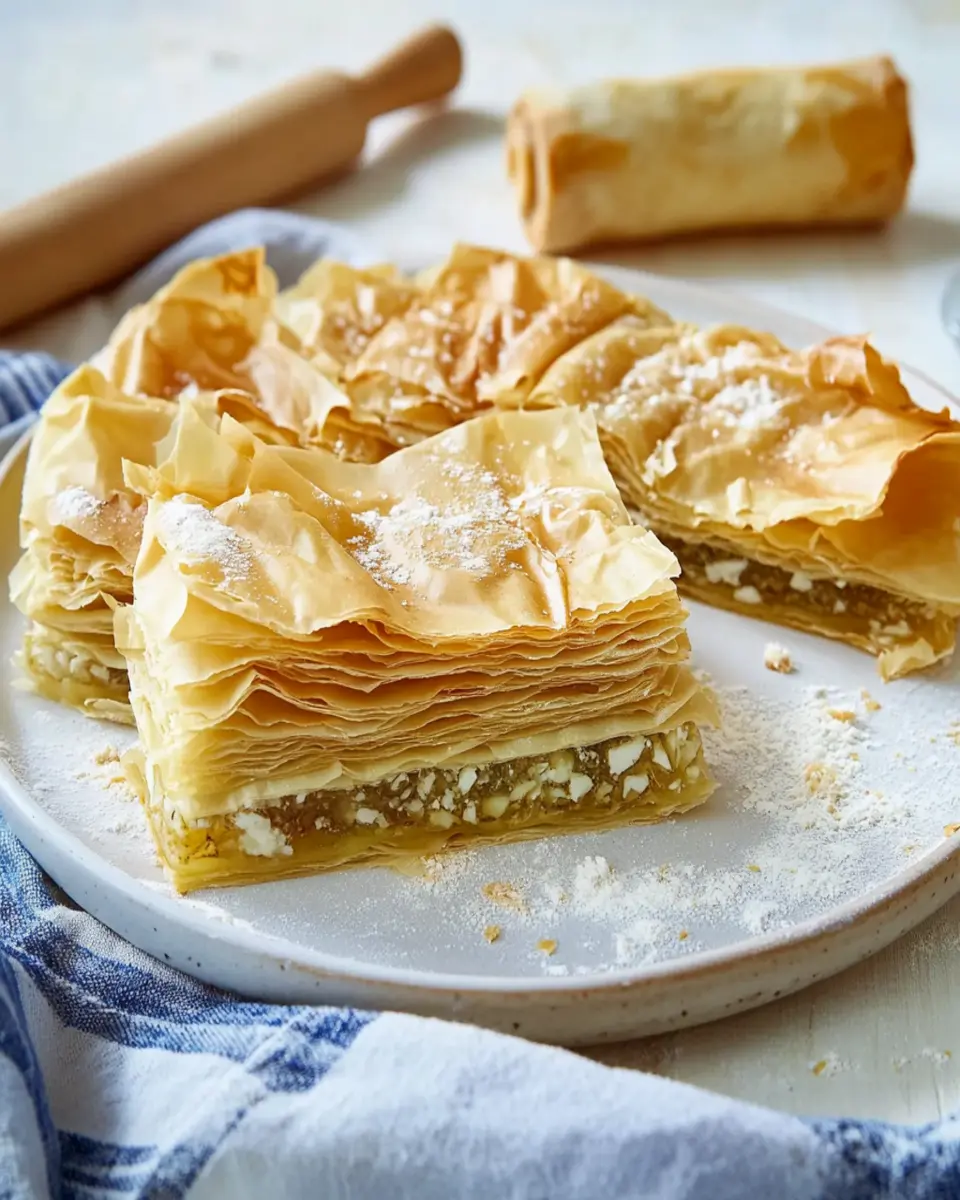
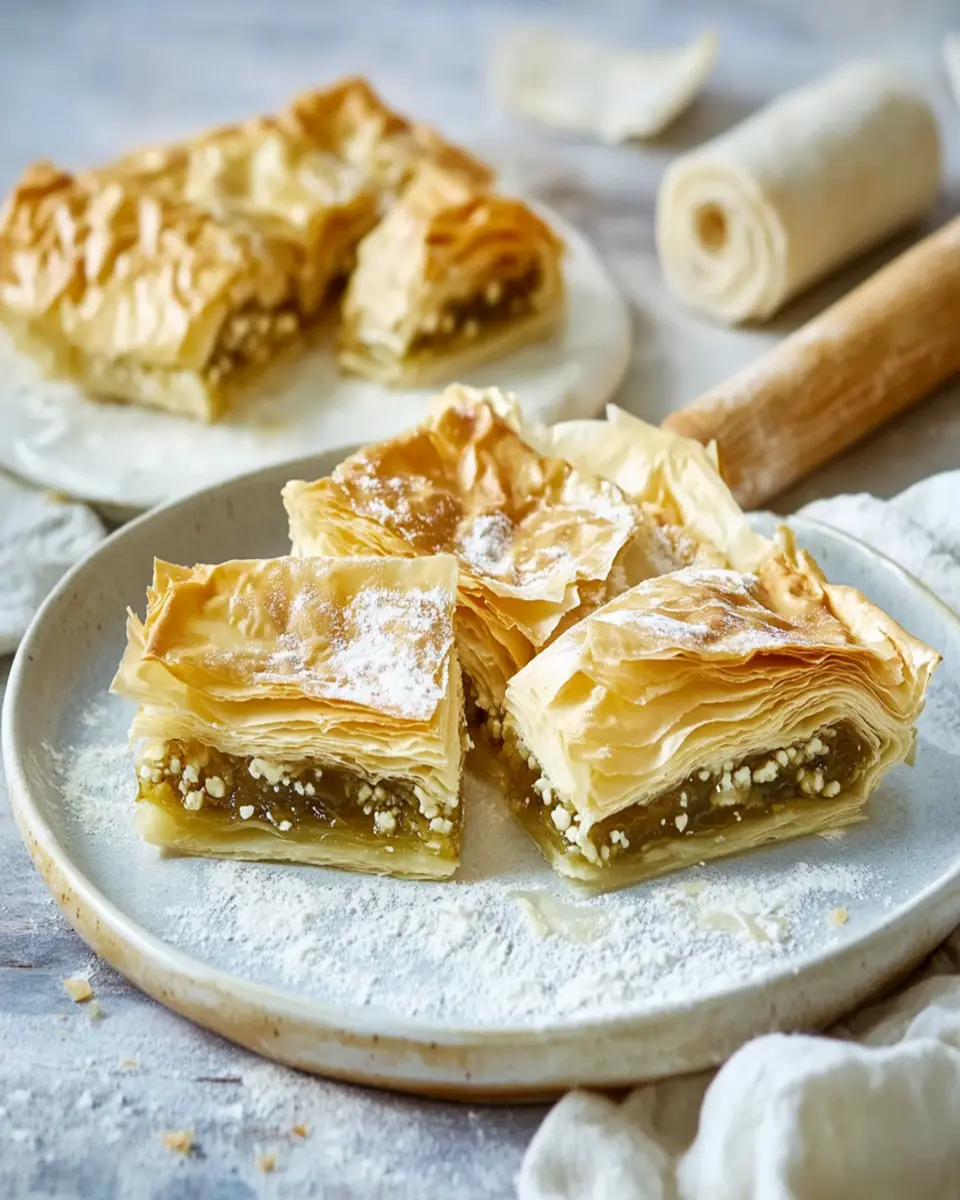
One delightful variation of your homemade phyllo dough is to use it in sweet desserts. Think about crafting a classic baklava, where layers of phyllo are interspersed with crushed nuts and a drizzle of honey or syrup. You can also try making fruit-filled pastries, such as apple or cherry strudels, adding a sprinkle of cinnamon for that extra flavor boost.
Savory Phyllo Dishes
Don’t forget the savory possibilities! Use your phyllo dough to create delicious spanakopita, filled with spinach and feta cheese, or try making meat pies with ground lamb or beef. The flaky layers provide a wonderful contrast to the hearty fillings, making every bite a perfect combination of textures.
Herb-Infused Phyllo
For a unique twist, consider infusing your phyllo dough with herbs or spices. Mixing dried herbs like oregano or thyme into the dough can give your pastries a distinctive flavor that pairs beautifully with savory fillings. This simple adjustment can elevate your dish and impress your guests, turning a basic recipe into something extraordinary.
Exploring variations of your homemade phyllo dough recipe allows you to unleash your creativity in the kitchen. By incorporating sweet, savory, or herb-infused elements, you can adapt this versatile dough to suit any occasion.
Cooking Tips and Notes
Resting the Dough
One of the most crucial steps in this homemade phyllo dough recipe is allowing the dough to rest. This resting period, ideally at least 30 minutes, enhances the dough’s elasticity, making it much easier to roll out into those thin, delicate sheets. So, be patient—this step is vital for achieving that perfect texture!
Keep It Covered
As you roll out your phyllo dough, remember to keep the unused portions covered with a damp cloth or plastic wrap. Phyllo dries out quickly, and you want to avoid any cracks or brittleness that can make handling difficult. Keeping it covered ensures that your dough remains pliable and ready for use.
Thin Is In
When rolling out your phyllo, aim for as thin a sheet as possible. The beauty of phyllo lies in its layers—thin sheets will create that delightful flakiness when baked. Don’t be afraid to use plenty of flour on your surface to prevent sticking, and if you’re new to this, practice makes perfect. The more you roll, the more comfortable you’ll become with the process.
With these tips in mind, you’ll be well on your way to mastering this homemade phyllo dough recipe and impressing everyone with your delicious creations!
Serving Suggestions
Sweet Treats
Homemade phyllo dough opens up a world of dessert possibilities. Use it to create delicious baklava, layering the dough with chopped nuts and honey syrup for a sweet, flaky delight. You can also make fruit-filled pastries, such as apple or cherry turnovers, which are perfect for impressing guests or enjoying with a cup of coffee.
Savory Options
On the savory side, phyllo dough shines in dishes like spanakopita, a traditional Greek pie filled with spinach and feta. You can also fill it with seasoned ground meats or vegetables to create delightful hand pies that are perfect for parties or quick snacks. The combinations are endless, allowing you to tailor your creations to your taste.
Dipping Sauces
To enhance your homemade phyllo dishes, consider serving them with dipping sauces. For sweet pastries, a drizzle of chocolate sauce or a side of vanilla yogurt can elevate the experience. For savory options, a tangy tzatziki or spicy harissa sauce can add an exciting flavor contrast. These simple additions can take your homemade phyllo creations to the next level!
Time Breakdown
Preparation
Preparation for your homemade phyllo dough takes about 30 minutes, which includes mixing and kneading the dough. Allowing it to rest is crucial for achieving the right texture.
Cooking/Baking
While this recipe doesn’t require baking in the traditional sense until you use the phyllo, you can expect your final dish to take additional time based on your filling and cooking method.
Total
In total, you’ll spend approximately 30 minutes preparing the dough, with extra time needed depending on how you choose to use it. For efficiency, consider preparing the dough in advance and storing it in the refrigerator until you’re ready to make your delicious pastries.
Nutritional Facts
Overview
Understanding the nutritional profile of your homemade phyllo dough is essential for those mindful of their dietary choices. Each serving contains approximately 70 calories, making it a light option for various recipes.
Key Nutritional Information
This homemade phyllo dough recipe offers a balanced nutritional profile: it contains 0g of sugar and just 1mg of sodium, making it a heart-healthy choice. With 3g of fat and 2g of protein per serving, it provides a good base for both sweet and savory dishes. Additionally, it has 10g of carbohydrates, ensuring you get the energy needed for your culinary adventures. Enjoy crafting delicious pastries without compromising on your nutritional goals!
FAQ
What is phyllo dough?
Phyllo dough is a very thin unleavened dough used in many Mediterranean and Middle Eastern dishes. It is made from flour, water, and a small amount of oil or melted butter, resulting in a delicate and flaky texture when baked.
Can I make phyllo dough ahead of time?
Absolutely! You can prepare the homemade phyllo dough in advance and store it in the refrigerator wrapped tightly in plastic wrap. It can be kept for up to a week. Just make sure to keep it covered to prevent it from drying out.
How do I store leftover phyllo dough?
If you have any leftover phyllo sheets, wrap them tightly in plastic wrap and store them in the refrigerator. They can also be frozen for longer storage; just be sure to separate each sheet with parchment paper to prevent sticking.
Why is my phyllo dough cracking?
Cracking usually occurs when the dough has dried out. To prevent this, always keep the unused phyllo covered with a damp cloth or plastic wrap while you work. If the dough is too dry, you may need to lightly brush it with water or oil before using it.
Can I use whole wheat flour instead of all-purpose flour?
Yes, you can use whole wheat flour for a healthier version of phyllo dough. However, the texture may be denser, and it might require some adjustments in hydration. Experimenting with a blend of all-purpose and whole wheat flour can yield delicious results.
Conclusion
Homemade phyllo dough is a delightful addition to your culinary repertoire, offering a flaky, delicate texture that enhances both sweet and savory dishes. This simple yet versatile recipe empowers you to create a variety of pastries that will impress your friends and family. Remember, the key to perfect phyllo is patience—allowing the dough to rest and keeping it covered while you work. So roll up your sleeves, enjoy the process, and let your creativity shine in the kitchen. Cook, save, share, and comment on your experiences with this homemade phyllo dough recipe!
Print
Homemade Phyllo Dough Recipe
- Total Time: 30 minutes
- Yield: 12 sheets 1x
- Diet: Vegetarian
Description
This Homemade Phyllo Dough Recipe is perfect for making pastries and desserts with a flaky, delicate texture.
Ingredients
- 2 cups all-purpose flour
- 1/2 teaspoon salt
- 1/2 cup water (warm)
- 1/4 cup olive oil or melted butter
Instructions
- In a large bowl, mix the flour and salt.
- Make a well in the center and add the warm water and olive oil.
- Stir until the mixture forms a dough.
- Knead the dough on a floured surface for about 10 minutes until smooth.
- Wrap the dough in plastic wrap and let it rest for at least 30 minutes.
- Divide the dough into equal portions and roll each piece out into thin sheets.
- Use as needed for your recipes.
Notes
- Let the dough rest to achieve better elasticity.
- Keep the rolled-out phyllo dough covered to prevent drying out.
- Prep Time: 30 minutes
- Category: Baking
- Method: Mixing and Rolling
- Cuisine: Mediterranean
Nutrition
- Serving Size: 1 sheet
- Calories: 70
- Sugar: 0g
- Sodium: 1mg
- Fat: 3g
- Saturated Fat: 0g
- Unsaturated Fat: 3g
- Trans Fat: 0g
- Carbohydrates: 10g
- Fiber: 0g
- Protein: 2g
- Cholesterol: 0mg